Cell-based medicinal products
Cell-based therapies, belonging to the family of Advanced Therapeutic Medicinal Products (ATMPs) as defined by the EMA, represent some of the most innovative and promising therapies, using engineered cells and tissues, including those that are genetically modified.
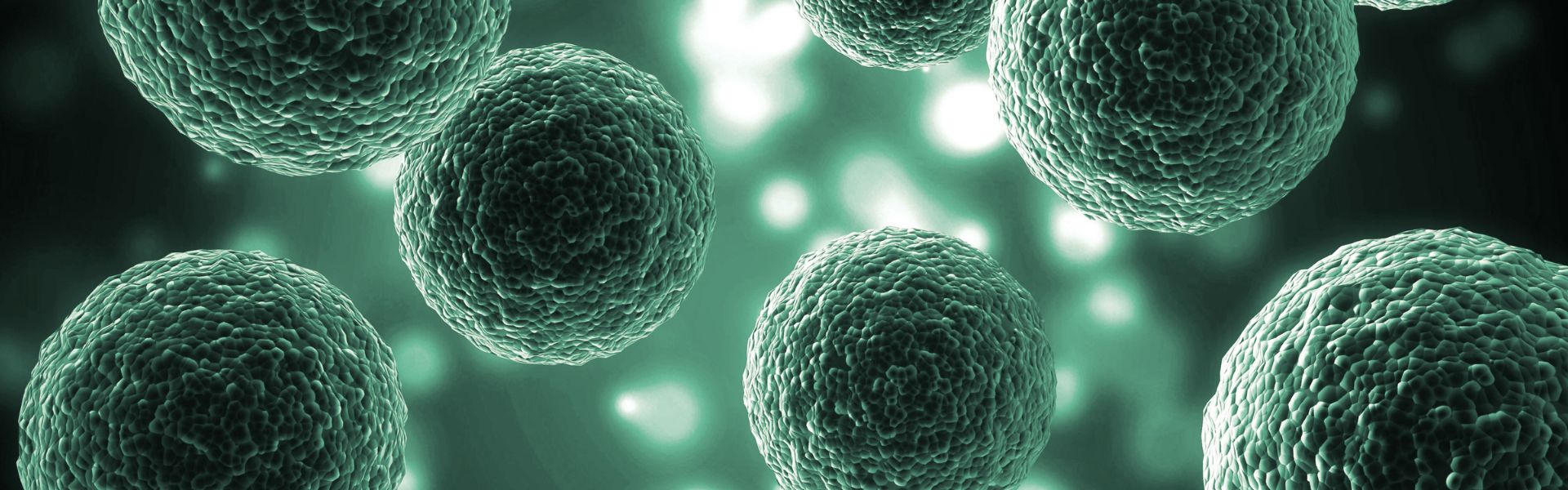
These cell-based products have the potential to cure life threatening diseases and correct dysfunctional medical conditions. Their cellular nature and manufacturing process makes them intrinsically complex requiring advanced analytical solutions to guarantee quality, safety and efficacy.
Navigating complexity in advanced therapies
At Quality Assistance, we support you across all stages of development, with a particular focus on helping you bridge the gap between research and clinical development.
With more than 40 years of experience, dedicated facilities and a GxP-compliant environment, we provide analytical expertise and regulatory insight to help you develop or optimise analytical methods to generate robust, regulatory-compliant data.
Analytical challenges we help you solve

Developing cell-based therapies requires a comprehensive strategy to address regulatory expectations and characterise the critical quality attributes of the product.
Ensuring product safety means detecting even the smallest traces of contaminants such as endotoxins, mycoplasma or adventitious viruses. Establishing identity relies on a combination of biomarker expression, morphological analysis and transcriptomic profiling. Purity is assessed through cell viability, phenotype and differentiation state, while careful monitoring ancillary materials, solvents and potential inorganic contaminants.
Potency testing is equally critical, requiring advanced cell-based assays to confirm proliferation, differentiation, cytotoxicity and functional protein expression. Finally, understanding the immunogenicity and allogenicity of your product is essential to anticipate immune responses.
Each of these factors is key to successful cell-based therapy development and regulatory approval.
| Single and multiplexed assay biomarker expression | ELISA or equivalent immunosorbent assays (e.g., Gyrolab) / Luminex / MSD / Flow cytometry |
|---|---|
| Cell morphology and biomarker cellular topology | Confocal fluorescence microscopy |
| Transcriptomic expression analysis | qPCR / ddPCR |
| Viability / Apoptosis / Cell phenotype | Manual and automated cell counters / Flow cytometry |
|---|---|
| Contaminants | Flow cytometry |
| Cellular phenotype, activation, differentiation state | Flow cytometry |
| Biomarker expression | qPCR / ddPCR / Flow cytometry / Immunoassays |
| Ancillary products | 2D gel / 2D-DIGE / qPCR / ddPCR / PicoGreen / RiboGreen |
|---|---|
| DMSO detection and quantification | HPLC (UV) / HS-GC (FID, MS) |
| Residual inorganic, chemical contaminants | HS-GC (FID, MS) / ICP (OES, MS) / HPLC (UV, CAD, MS, ELSD) / HPAEC (conductimetry) |
| Soluble growth and differentiation factors | Immunoassays (ELISA, Gyrolab, BLI (Octet), SPR (Biacore)) / Luminex / ECL (MSD) |
Biomarkers / Biological active substances Functional protein expression: Evidence of function and MOA: Immunogenicity and allogenicity | ELISA or equivalent immunosorbent assays (e.g., Gyrolab) / Luminex / MSD qPCR / ddPCR ELISPOT / Fluorospot and multiplexing Fluorospot Fluorescence microscopy Flow cytometry (intracellular and surface, secreted antigens, tetramer detection) Humoral / Cellular immune-monitoring Protein-protein interactions using SPR or BLI technologies |
|---|
| Leachables | GC (FID, ECD, MS) / ICP (OES, MS) / (U)HPLC (UV, ELSD, CAD, MS) |
|---|---|
| Container Closure System Integrity | Bubbling / Dye ingress / Microbial ingress |
| Cytotoxicity / Biological reactivity | Cell-based assays / USP <87> |
Platforms and technologies

To overcome these challenges, we bring together advanced instrumentation and proven expertise.
Our laboratories give you access to:
- Flow cytometry for detailed multiparametric analysis of cell identity, viability, phenotype, biomarker expression, differentiation, activation and functionality
- qPCR and digital PCR for nucleic acid biomarker quantification and transcriptomic expression
- Microscopy for morphological assessment and cell differentiation studies
- Cell-based assays and bioassays using readouts such as ELISA, ELISPOT, Fluorospot, Luminex, MSD, Gyrolab and flow cytometry for evaluating cell functionality and product potency
- Bioanalysis for the characterisation of biomarkers and immune monitoring in biological fluids
- Stability systems including cryopreservation and long-term storage under GMP conditions
Every method is developed, qualified, validated and/or transferred according to EMA, FDA and ICH guidelines, ensuring your analytical results are reliable and regulatory-compliant.
Supporting you from discovery to market

We provide end-to-end support for cell-based therapies, from non-clinical studies through clinical development and post-registration.
Our greatest added value lies in guiding you from research into early clinical development, where regulatory requirements become more demanding and the need for robust data is essential. At every stage, our services include method development, qualification, validation and transfer, as well as characterisation studies and QC testing, stability studies and immunogenicity assessment.
All our work is performed in GMP, GLP and GCLP-compliant laboratories, and each batch is released with a Certificate of Analysis signed by a Qualified Person. By choosing Quality Assistance, you gain a single partner who anticipates your needs and support you with confidence throughout your product development.
Related products


Driving cell-based therapies development with clarity and compliance
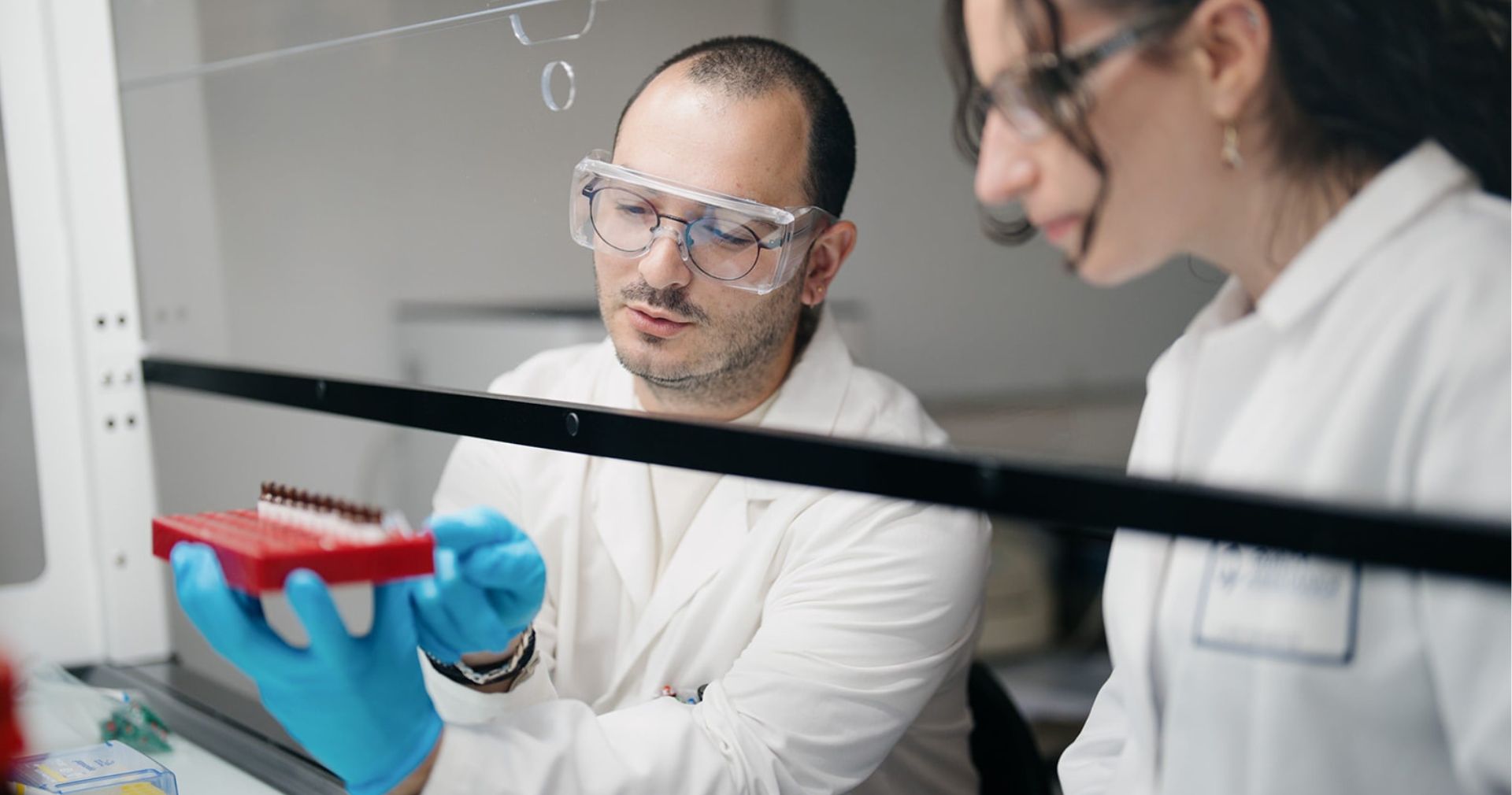
Quality Assistance provides a dedicated suite of analytical services for cell-based therapies, with an emphasis on supporting your transition from discovery to clinical development. With our product-dedicated expertise, advanced technologies and full awareness of the regulatory landscape, we are your trusted partner for bringing cell-based products to patients.